

quality control

qa

As an enterprise specializing in the cutting tools, we deeply understand that product quality is the cornerstone of cooperation.

Therefore, we have established strict standards and a full-process supervision mechanism for the quality control systems of our cooperative factories, achieving end-to-end quality assurance from raw material sourcing to finished products.

This ensures that every tool can meet the high-precision and high-durability requirements of the industrial processing field.

Raw Material Traceability: Securing the Foundation of Quality from the Source
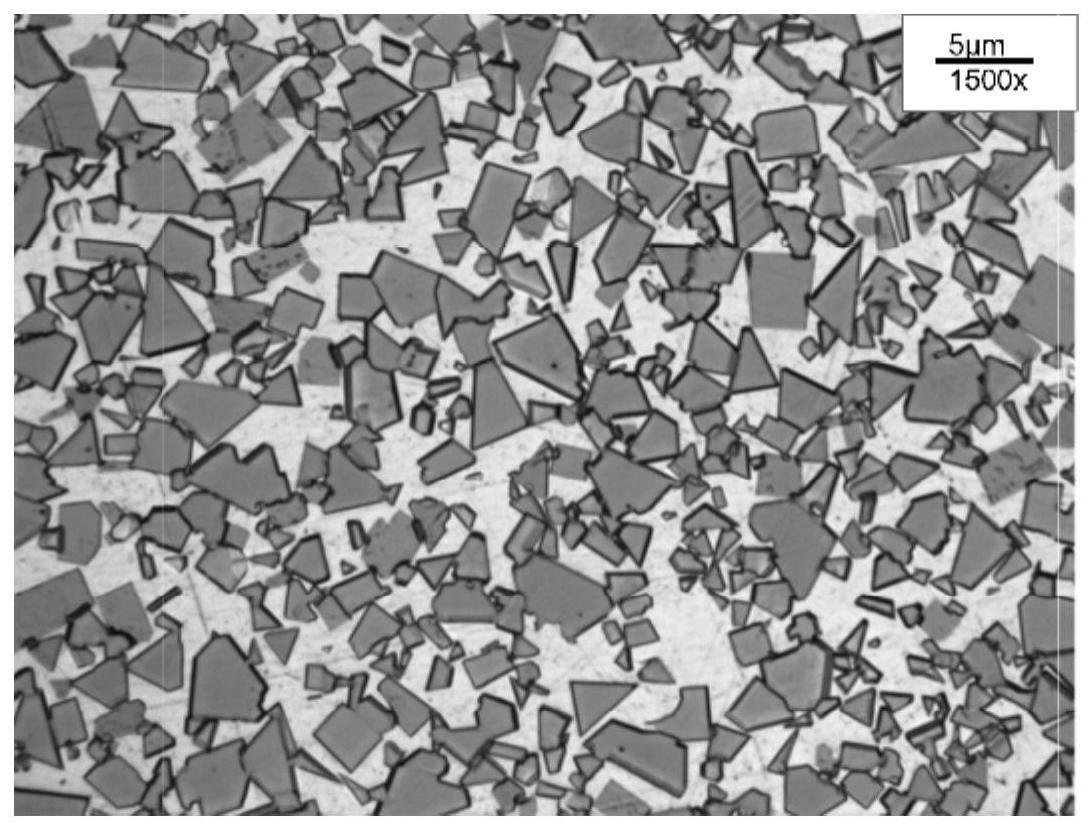
Raw materials are crucial for cemented carbide tool quality. We implement a “Full-Record Raw Material Traceability” system, sourcing carbide powders (e.g., tungsten-cobalt, tungsten-titanium-cobalt) exclusively from renowned industry suppliers. Each batch must come with a material inspection report detailing component content, particle size distribution, and hardness.
 
Our quality inspection team conducts random re-inspections using XRF for component purity and laser particle size analyzers for powder uniformity. This ensures only qualified materials enter production.
 
metallographical

Production Process: Refined Control Over Every Working Procedure

In the production phase, we adopt a “standardized procedures + real-time monitoring” dual management model. Each process, including powder pressing, sintering, edge grinding, and coating, has detailed SOPs defining processing parameters (e.g., sintering temperature, grinding speed) and quality requirements.
Professional inspectors conduct on-line inspections for key processes. For instance, after sintering, a metallographic microscope checks alloy structures for pores and cracks; during edge grinding, a tool microscope measures edge sharpness and geometric accuracy (rake/relief angle errors controlled within ±0.01mm). 

 Finished Product Inspection: Multi-Dimensional Verification of Product Performance

Before the finished products leave the factory, we  conduct comprehensive performance and precision inspections using a “Full-Item Inspection List” to ensure compliance. The inspection focuses on three key aspects:
  1. Precision Inspection: Utilize a coordinate measuring machine to test external dimensions and runout error. Ensure key dimensions  match customer drawings.
  2. Hardness and Strength Inspection: Measure tool hardness  with a Rockwell hardness tester and verify flexural strength via a three-point bending test for durability in high-stress machining.
  3. Actual Cutting Test: Select workpieces matching customer materials  Conduct test cuts on CNC machines using customer-specified parameters. Evaluate cutting efficiency, surface roughness and durability; only passing products proceed to packaging.

After-Sales Traceability: Establishing a Full-Lifecycle Quality File
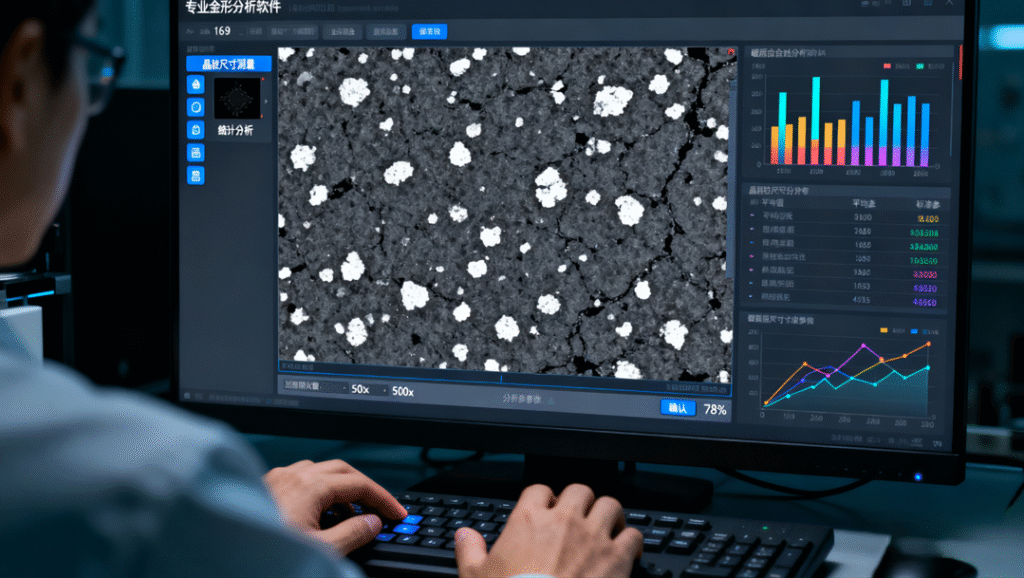
We create a “Quality Traceability File” for each tool batch, documenting raw material batch numbers, production parameters, inspection reports, and customer feedback. In case of quality issues, we can use the product serial number to trace the production process, enabling us to identify the root cause and offer prompt solutions like product replacement or technical support.
By regularly analyzing customer usage data alongside internal inspection results, we optimize production processes and quality control standards, enhancing the stability and usability of our cemented carbide tools.
 
checking