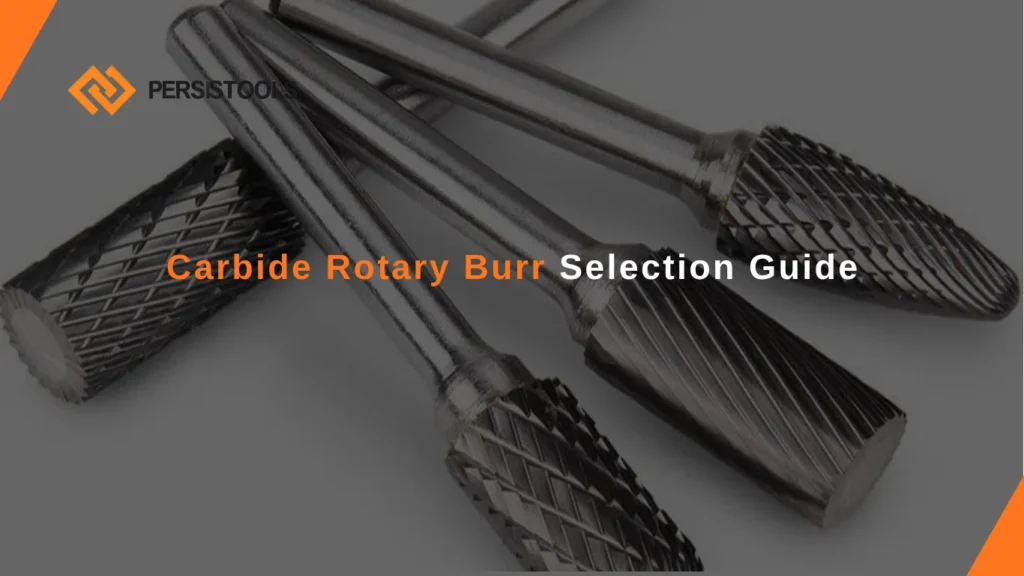
In metal fabrication, mold finishing and non-ferrous metal deburring, polishing soft metals like copper, aluminum and zinc alloys is a high-frequency yet quality-prone process. Many operators face persistent issues of surface blackening, chip clogging and poor finish when using standard carbide rotary burrs. These defects not only compromise part appearance, but also add extra polishing workload.
In most cases, blackening is not caused by poor burr quality, but by mismatched tooth geometry and material selection. This guide explains the root cause of blackening and provides systematic selection criteria for copper/aluminum-specific rotary burrs to eliminate chip clogging and overheating discoloration at the source.
Why Do Soft Metal Surfaces Blacken During Polishing?
Copper, aluminum and magnesium alloys are typical low-hardness, high-ductility non-ferrous metals, with fundamentally different cutting characteristics from ferrous metals such as steel and cast iron.
Standard general-purpose tungsten carbide burrs usually adopt a double-cut cross-tooth design with dense pitch and narrow chip flutes. When machining ductile soft metals, continuous chips cannot be discharged promptly and get packed in tooth gaps, causing chip clogging. Trapped chips generate intense friction heat between the burr and workpiece, leading to localized high temperatures that burn the surface and leave black, blue or scorched marks. This also triggers secondary burr formation, surface scratching and reduced material removal efficiency.
Excessive spindle speed, heavy feed pressure and uninterrupted dry grinding will further amplify heat buildup and worsen surface blackening. The core solution lies in selecting application-specific rotary burrs paired with optimized operating parameters.
How to Select Rotary Burrs for Non-Blackening Copper & Aluminum Polishing
For soft metal machining, standard steel-grade double-cut burrs are unsuitable. Dedicated single-cut burrs with wide flutes (aluminum-cut burrs) are required. Selection should be made based on four key dimensions: tooth geometry, base material, tooth pitch and head shape.
1. Tooth Geometry: Prioritize Single-Cut Wide-Flute (Aluminum-Cut) Design
Tooth geometry is the decisive factor for chip evacuation efficiency and the key to eliminating blackening.
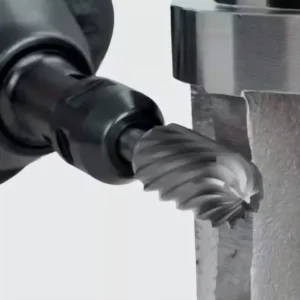
- Single-cut wide-flute burrs (aluminum-cut): Feature wider tooth spacing and deeper, broader chip flutes for lower cutting resistance. Soft metal chips discharge instantly without packing or friction heat buildup. They are the top choice for copper, aluminum, zinc alloys, plastics and fiberglass, delivering a high-quality surface finish with virtually no blackening or clogging, and higher material removal rates than standard designs.
- Double-cut cross teeth: Only recommended for hard metals such as steel, cast iron and hardened steel. They are highly prone to chip clogging and surface blackening on soft metals, and should not be used as primary tools for copper/aluminum machining.
2. Base Material: Virgin Tungsten Carbide YG8 / YG6X
The burr substrate directly determines cutting performance and service life. For copper and aluminum applications, virgin tungsten carbide grades are recommended:
- YG8 grade: Offers excellent toughness and impact resistance, ideal for general deburring, weld dressing and stock removal on copper and aluminum. Cost-effective for high-volume routine polishing operations.
- YG6X grade: Features higher hardness, better wear resistance and sharper cutting edges. Suitable for precision finishing of aluminum molds and copper parts, delivering superior surface finish and longer tool life.
- Avoid recycled tungsten carbide products: They contain high impurity levels, uneven tooth strength and dull cutting edges. They wear faster and worsen chip clogging and heat generation due to poor cutting performance.
3. Tooth Pitch: Coarse Pitch for Roughing, Medium Pitch for Finishing
Tooth pitch directly affects chip space and heat generation. Follow the principle: coarse pitch for roughing, medium pitch for semi-finishing, never fine pitch for soft metals.
- Coarse pitch: Provides maximum chip space and highest removal rate with minimal clogging and heat buildup. The mainstream choice for large-area deburring, heavy stock removal and weld rough grinding on copper and aluminum.
- Medium pitch: Balances chip evacuation and surface finish, suitable for semi-finishing and surface dressing. Not recommended for heavy stock removal.
- Fine pitch: Extremely dense teeth that clog easily and cause blackening. Only for hard metal finishing; strictly prohibited for soft metal roughing.
4. Burr Head Shape: Match Machining Position to Reduce Friction
Selecting the right head shape for the target machining area avoids excessive local contact and unnecessary friction heat, improving efficiency while lowering blackening risk:
- Flat surface & side wall deburring: Cylindrical burrs (Type C)
- Radius & curved surface finishing: Spherical (Type G), oval (Type F) burrs
- Deep hole & internal cavity machining: Cylindrical with end cut (Type D), tapered burrs
- Edge chamfering & weld dressing: Inverted cone, arc disc burrs
Optimized Operating Practices to Further Prevent Blackening
Proper tool selection is the foundation. Standardized operating parameters will maximize blackening prevention:
- Control spindle speed: Avoid excessively high speeds for soft metals. Recommended speed: 15,000–25,000 rpm for 6mm shank burrs; 20,000–30,000 rpm for 3mm shank burrs. Higher speeds accelerate heat generation.
- Clean tooth gaps regularly: Stop every 10–15 minutes and clean packed chips with a wire brush to maintain sharp cutting edges and reduce friction.
- Avoid prolonged stationary grinding: Keep the burr moving laterally at a steady feed rate. Never apply heavy pressure on a single spot, which causes localized overheating and surface burning.
- Apply cooling as needed: For large-area continuous machining, use micro-mist cooling to assist temperature control and improve surface finish.
Frequently Asked Questions
Q: Is a single-cut burr mandatory for aluminum polishing? Can double-cut burrs be used temporarily?
A: Standard double-cut cross burrs are not recommended for aluminum, as they cause rapid clogging, surface blackening and accelerated tool wear. For light, occasional finishing work, coarse-pitch double-cut burrs can be used temporarily with frequent chip cleaning, but their performance and tool life are far inferior to dedicated single-cut wide-flute burrs.
Q: Can water cooling completely solve copper/aluminum blackening?
A: Coolant or mist cooling only helps reduce temperature and alleviate blackening; it cannot fix the root cause. The core solution is using single-cut wide-flute burrs to ensure smooth chip evacuation. Without resolving clogging, even water cooling cannot prevent chip adhesion and surface scratching, and may damage grinding equipment.
Q: Can copper/aluminum-specific burrs be used for steel polishing?
A: Long-term mixed use is not recommended. Single-cut wide-flute burrs experience higher impact loads when cutting steel, leading to faster wear and increased chipping risk. Using dedicated burrs for different materials ensures optimal finishing results and maximizes tool service life.
Conclusion
Achieving a clean, non-blackening finish on copper and aluminum soft metals relies primarily on selecting dedicated single-cut wide-flute tungsten carbide rotary burrs with virgin carbide substrate and coarse tooth pitch. This eliminates chip clogging and overheating at the source. Combined with standardized operating practices, operators can consistently achieve high-quality polished surfaces while reducing tooling consumption costs.