
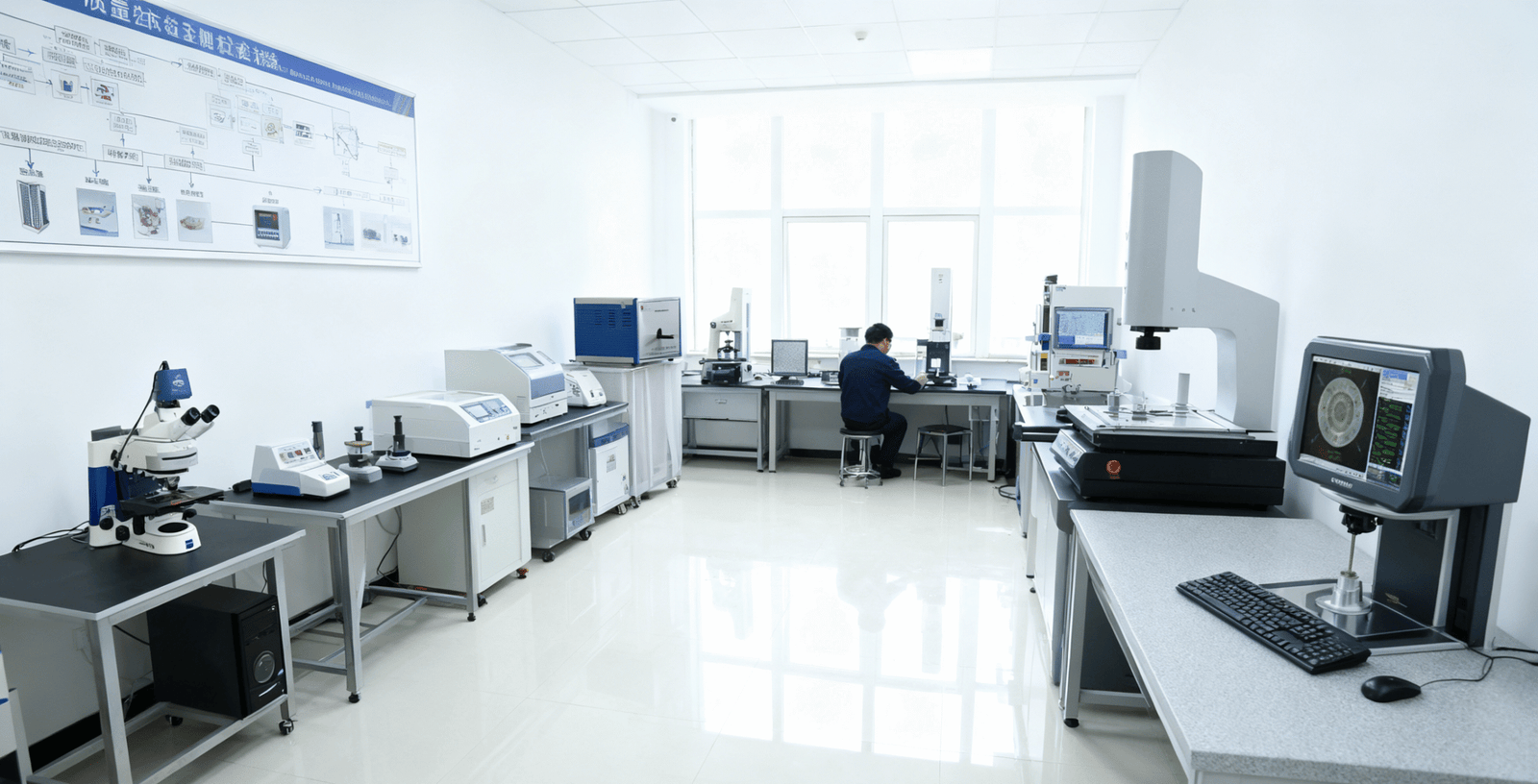
Quality You Can Rely On
Consistent dimensions, stable performance, and full traceability from raw material to finished tools.

Reliable Materials,
Consistent Results
Every stable tool starts with reliable materials.
Before manufacturing begins, incoming carbide and other production materials are identified and verified. This helps reduce material variation and supports more consistent dimensions, hardness, and cutting performance across production batches.
Qualified Suppliers
Materials are sourced from evaluated suppliers with stable specifications and reliable supply.
Material Documentation
Material grades and relevant specifications are recorded or documented according to order requirements.
Incoming Verification
Critical material information and condition are checked before the materials enter production.
Batch Identification
Incoming batches are identified and recorded to support production tracking and issue analysis.
Better material control means fewer variations in the finished tool.
Controlled Processes,
More Consistent Tools
Stable quality depends on controlling the details between raw material and finished product.
Key manufacturing stages are managed through defined procedures, controlled parameters, and in-process checks. This helps reduce variation and maintain more consistent dimensions, structure, and cutting performance across production batches.
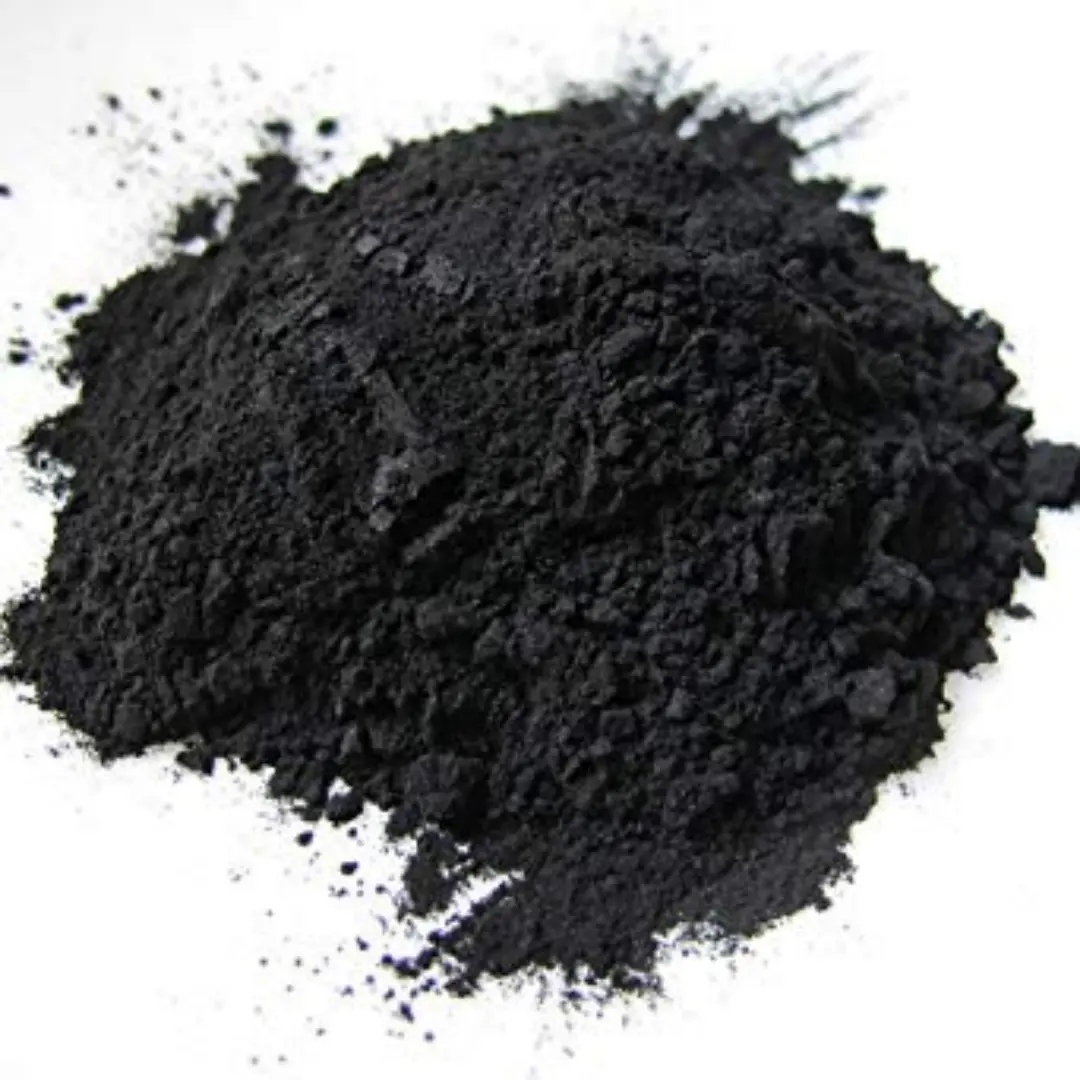
Preparation & Forming
Material composition, forming conditions, and initial dimensions are controlled according to product requirements.
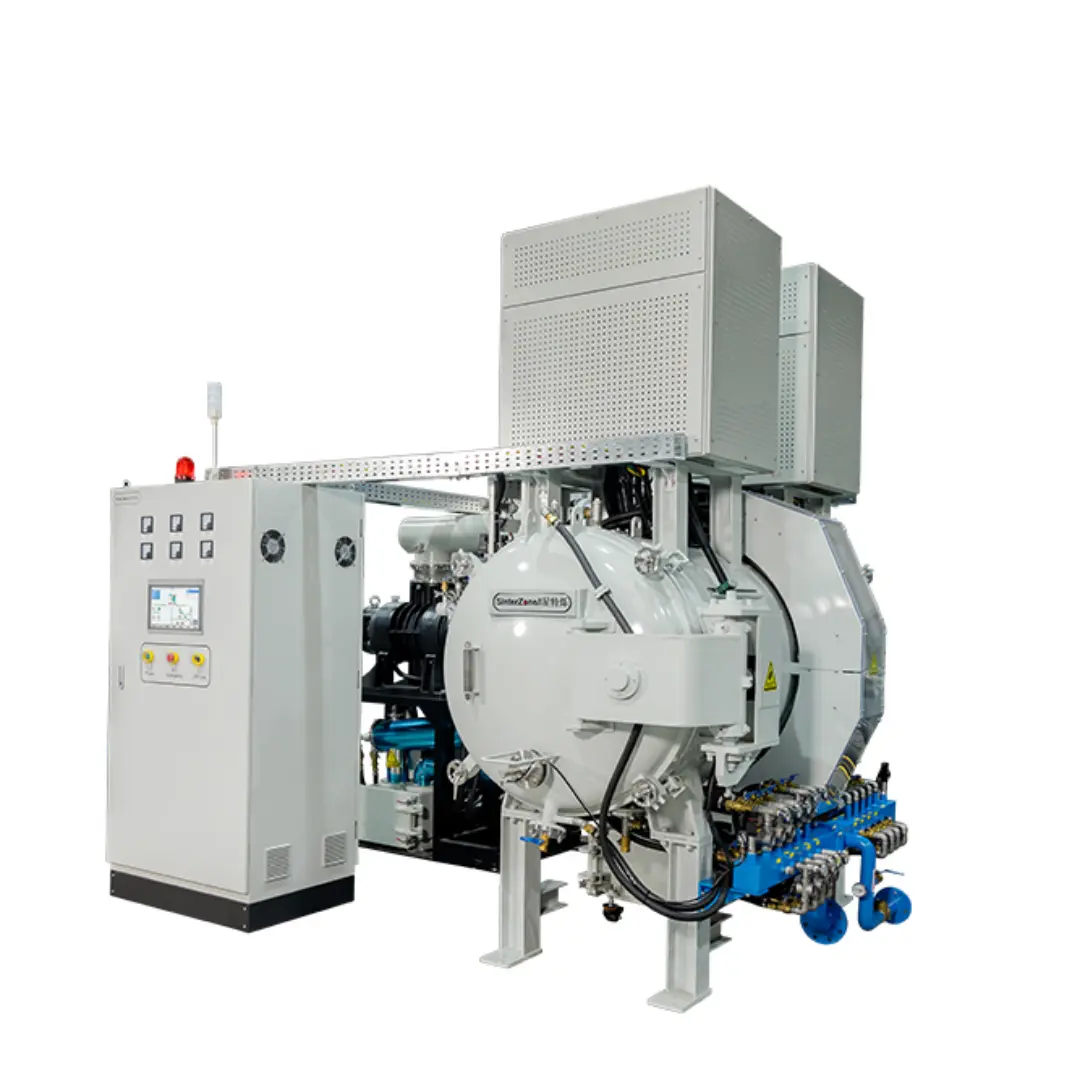
Sintering & Heat Treatment
Temperature, atmosphere, and process time are managed to support stable density and material properties.
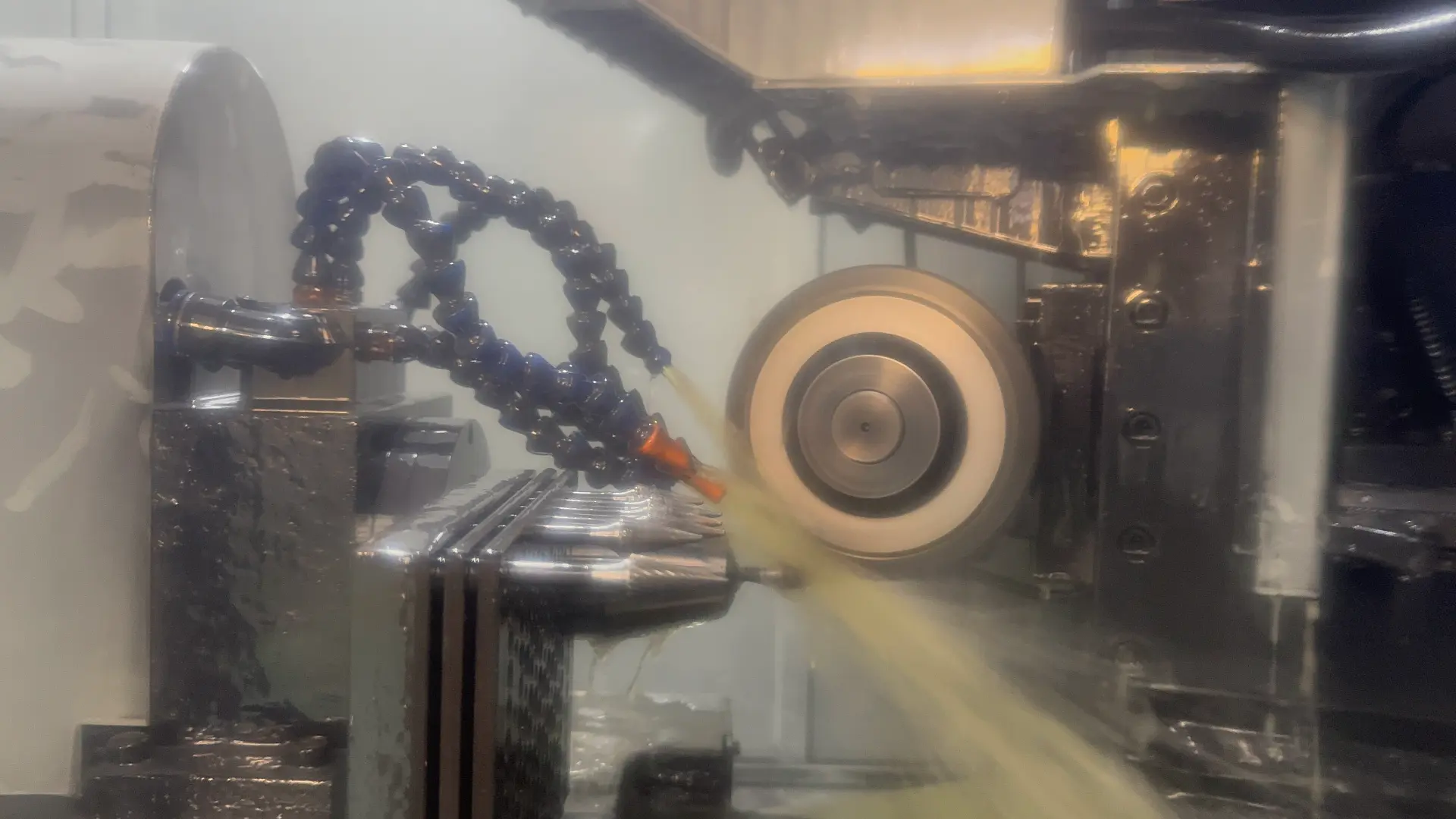
Precision Machining
Grinding, cutting, and finishing parameters are controlled to maintain dimensional accuracy and surface quality.
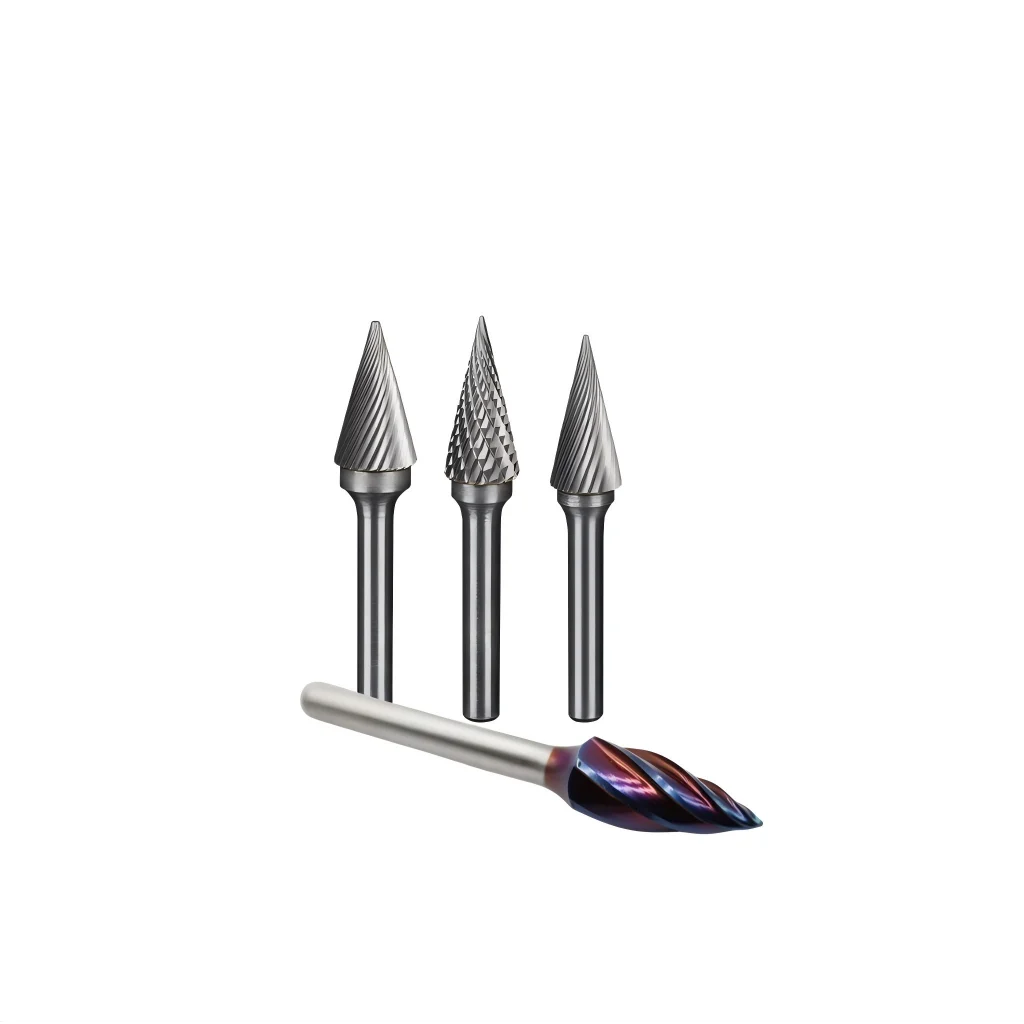
Coating & Final Processing
Final surface treatments are selected and controlled according to the tool application and performance requirements.
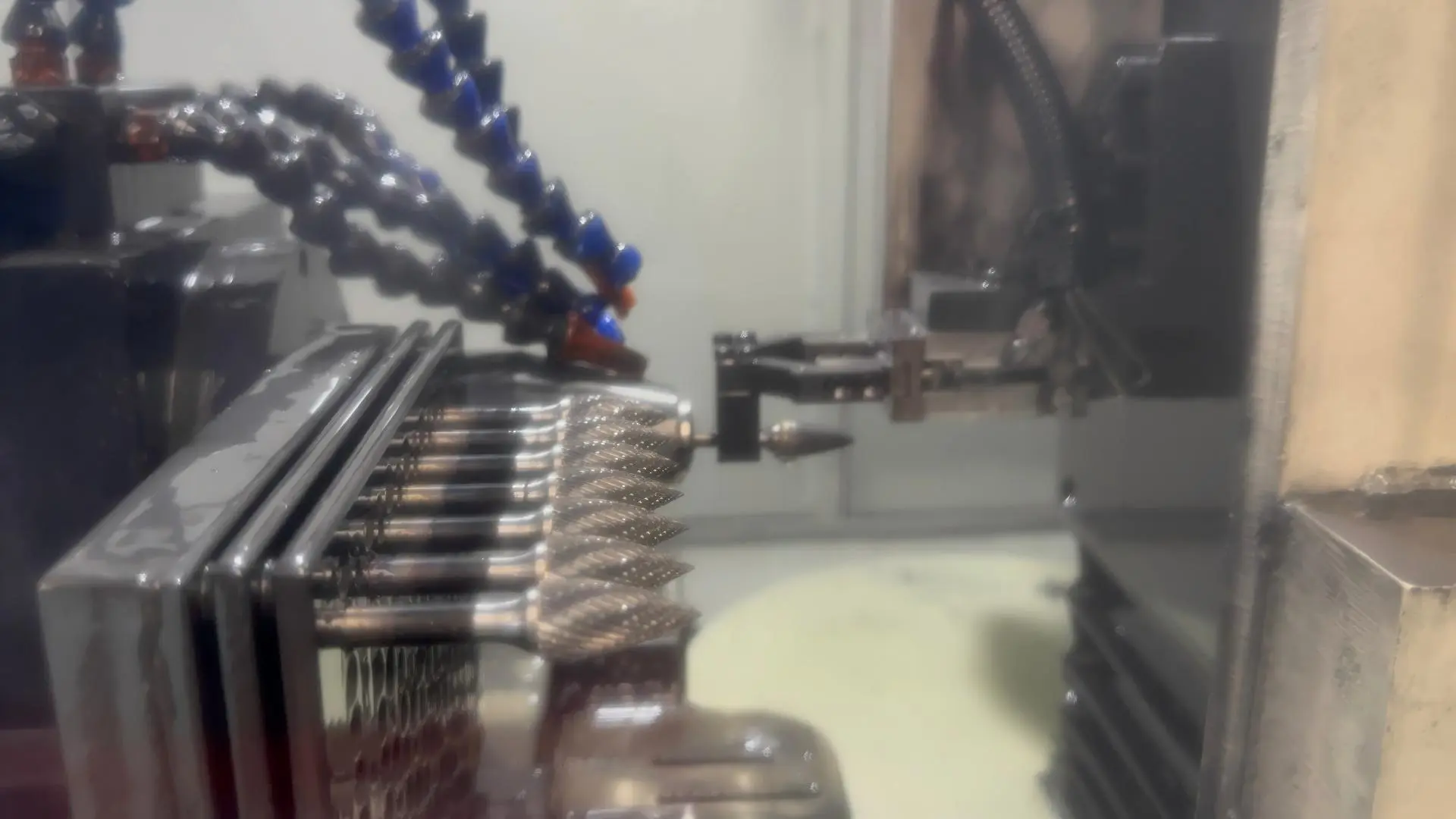
Variation Is Controlled During Production
Process monitoring and in-process verification help identify deviations before they affect the finished batch.
Consistent Dimensions
Controlled machining helps reduce dimensional variation across production batches.
Stable Performance
Defined process parameters support more predictable hardness, strength, and cutting behavior.
Reduced Batch Variation
In-process checks help identify deviations before they continue through later production stages.
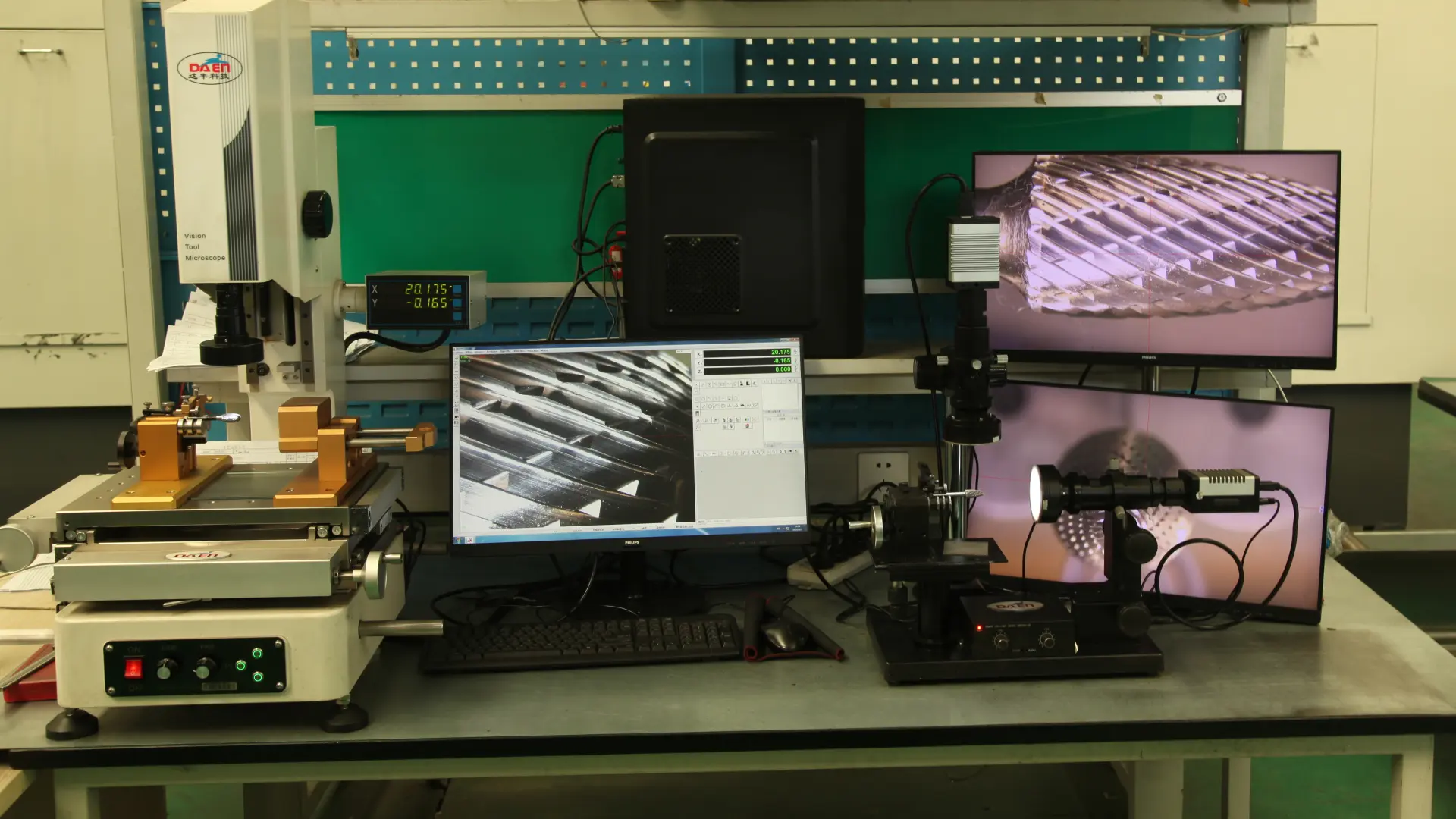
Only verified products proceed to packaging and shipment.
Every Batch Is Verified
Before Shipment
Process control reduces variation. Final inspection confirms the result.
Before products leave the factory, critical dimensions, material properties, surface condition, and functional requirements are checked according to the product type and order specifications. Inspection records help confirm that the finished batch meets the agreed requirements before delivery.
Dimensional Inspection
Critical dimensions, tolerances, runout, and geometry are checked against drawings or specifications.
Hardness & Material Verification
Material properties are checked where required to confirm suitability for the intended application.
Surface & Edge Quality
Grinding marks, coating condition, cutting edges, and visible defects are inspected before packaging.
Functional Verification
Cutting, fitting, assembly, or application-specific tests are performed when required by the product or project.
Inspection Is Based on Product Risk
Different tools require different inspection priorities. The inspection scope is matched to the product structure, tolerance, application, and customer requirements.
Faster Answers When
Problems Occur
Traceability turns a quality issue into a process that can be reviewed, understood, and improved.
Production and inspection information is recorded according to the product and order requirements. When a question or quality issue occurs, these records help identify the relevant material, production stage, inspection result, and shipment batch, supporting faster analysis and more targeted corrective action.
From Material to Customer Feedback
Material
Production
Inspection
Shipping
Feedback
Identify the Batch
Confirm the product, order, shipment, and available batch information.
Review the Records
Check the relevant material, process, and inspection information.
Analyze the Cause
Compare the records with the reported application conditions and failure symptoms.
Take Corrective Action
Provide replacement, adjustment, technical guidance, or process improvement according to the findings.
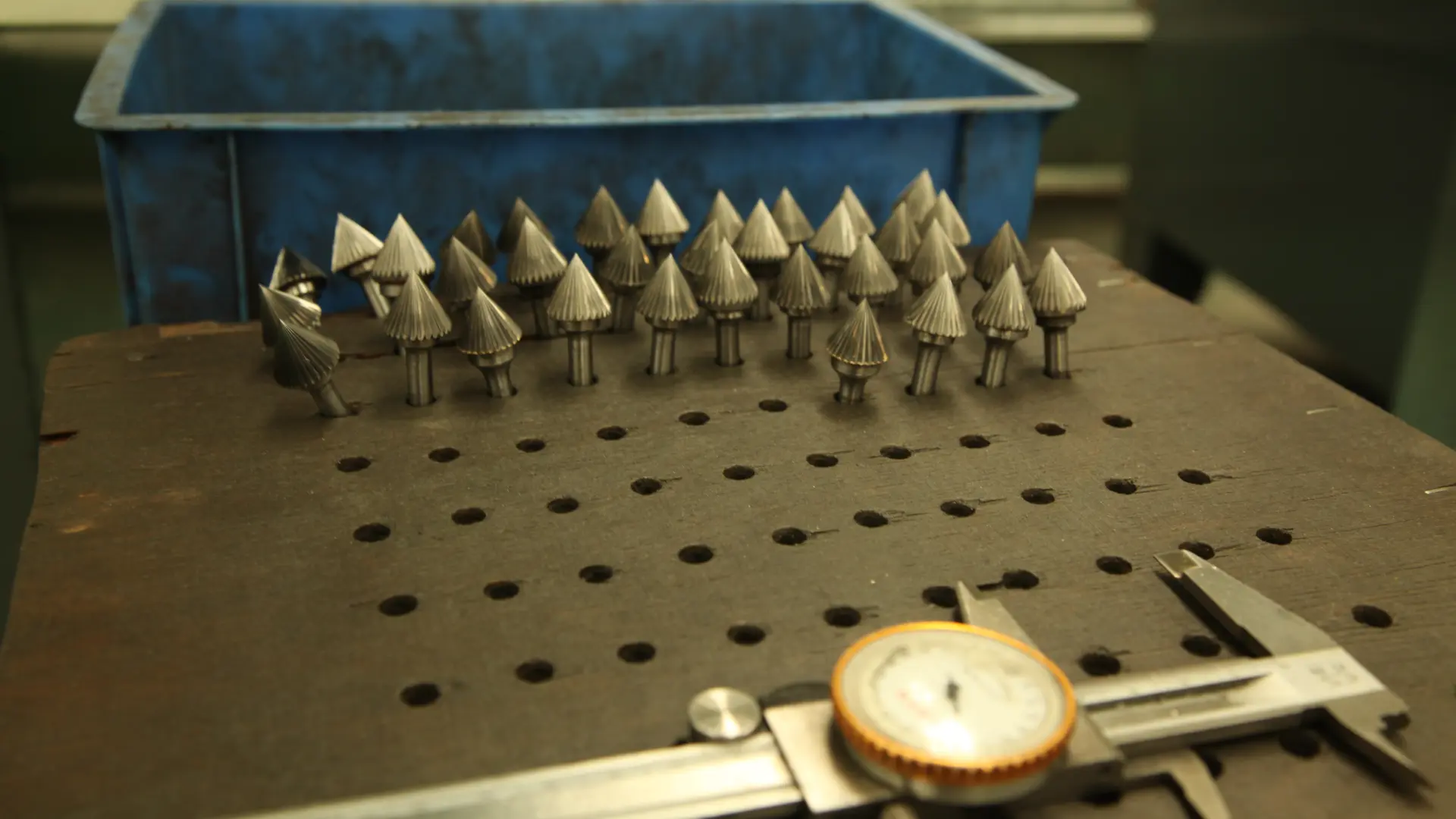
Records Support Better Decisions
Traceability helps distinguish whether a problem is related to material, manufacturing, inspection, transport, or application.