
Pelletizing Knives
Precision pelletizing knives and extrusion granulator blades for plastic, polymer, feed, food, and other extrusion cutting applications. Available in stainless steel, powder metallurgy tool steel, high-performance alloy steel, and tungsten carbide, with single- or double-edge designs for clean cutting, long service life, and reduced pellet sticking.
Pelletizing Knives & Extrusion Granulator Blades
Persistools pelletizing knives and extrusion granulator blades are precision cutting components used in dry-cut, strand pelletizing, underwater pelletizing, and other extrusion granulation systems.
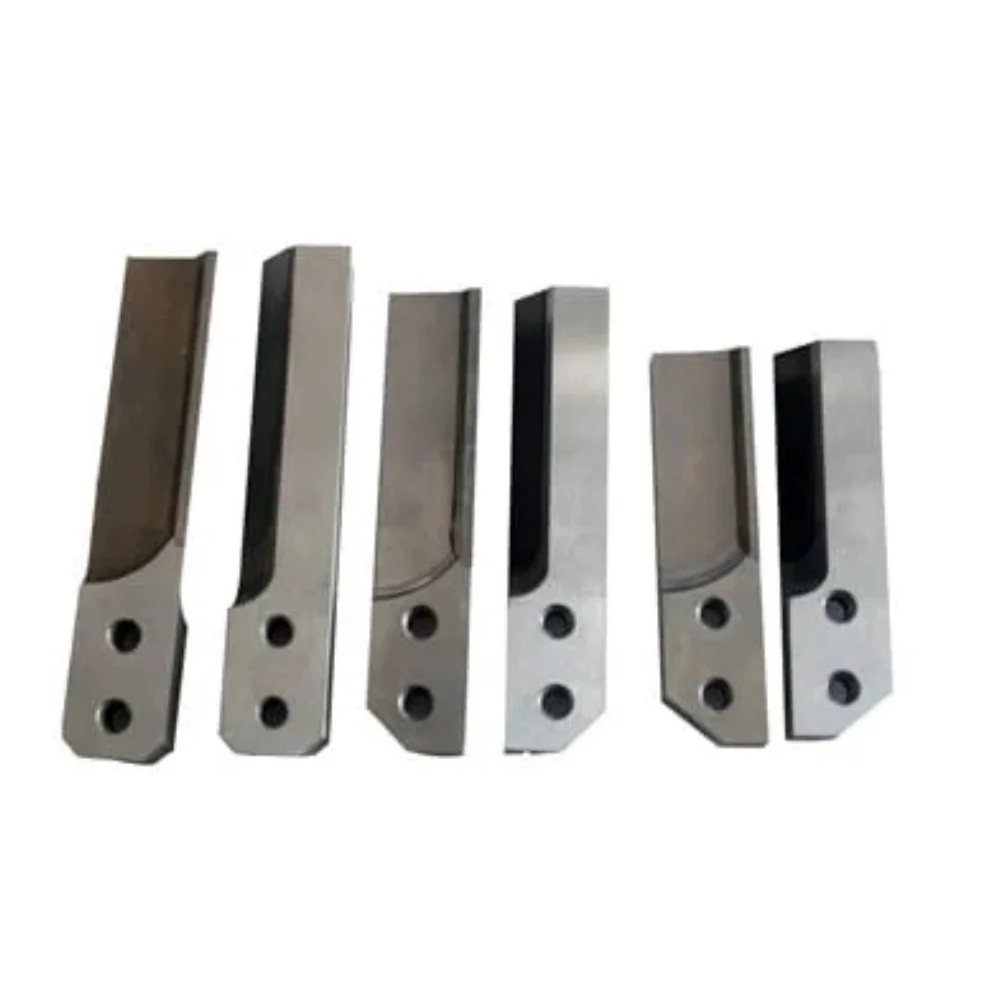
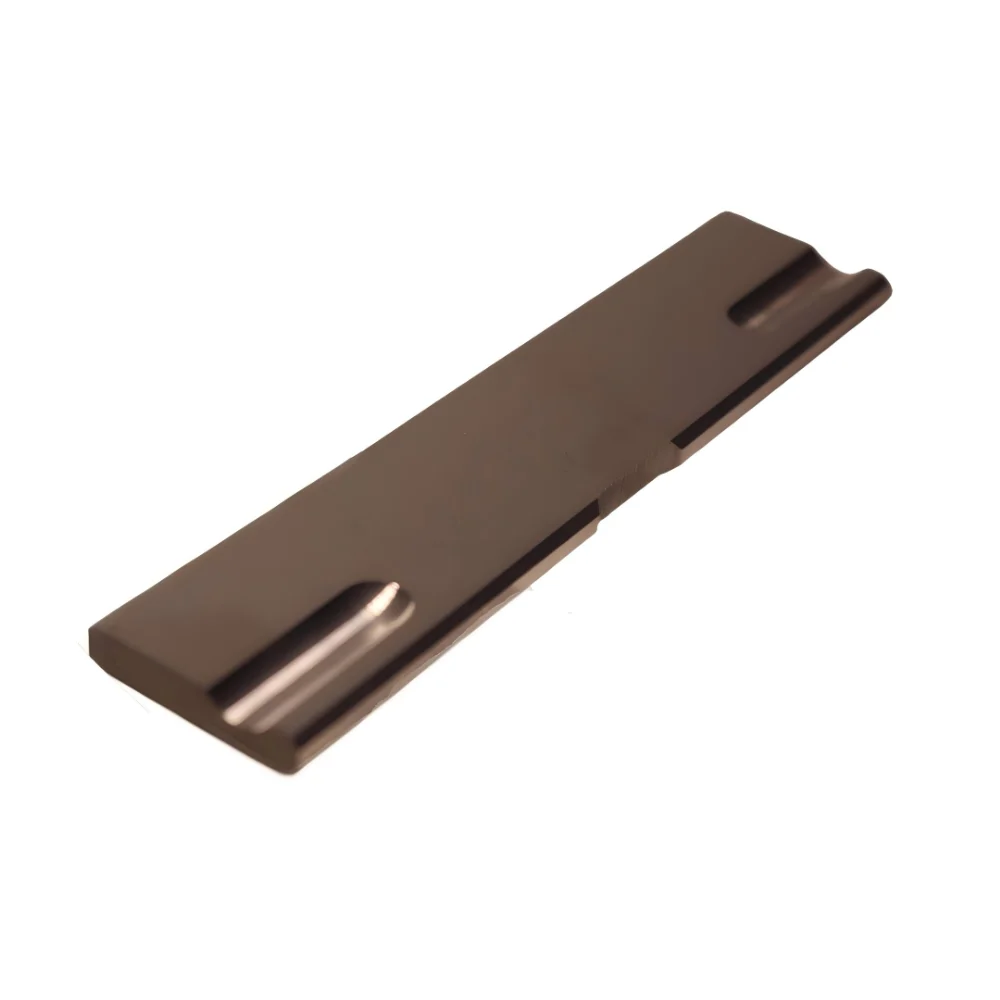
These blades are installed on cutter shafts, rotors, cutter heads, or knife holders and are responsible for cutting continuously extruded material into controlled pellet lengths.
Because pelletizing is a continuous cutting process, blade performance depends heavily on edge sharpness, wear resistance, dimensional consistency, and stable contact with the mating cutting surface.
A properly manufactured pelletizing knife should cut the material cleanly in a single cutting action, helping reduce:
- Pellet sticking
- Material dragging
- Long tails or irregular pellets
- Excessive fines
- Uneven pellet length
- Premature blade wear
Different Materials for Different Pelletizing Conditions
Pelletizing blades are available in a wide range of materials depending on the processed material, machine design, cutting speed, temperature, and required service life.
Common options include:
- Stainless steel
- High-speed steel
- Powder metallurgy tool steel
- High-performance alloy tool steel
- Tungsten carbide
- Carbide-inlay constructions
For underwater pelletizing systems, corrosion resistance, toughness, and cutting-edge stability are particularly important. Stainless steels and high-performance tool steels are commonly used where continuous contact with water and repeated impact are involved.
For dry-cut and strand pelletizing applications, tungsten carbide blades are often selected where higher wear resistance and longer cutting life are required.
Single-Edge and Double-Edge Designs
Different pelletizing systems require different edge configurations.
Single-Edge Blades
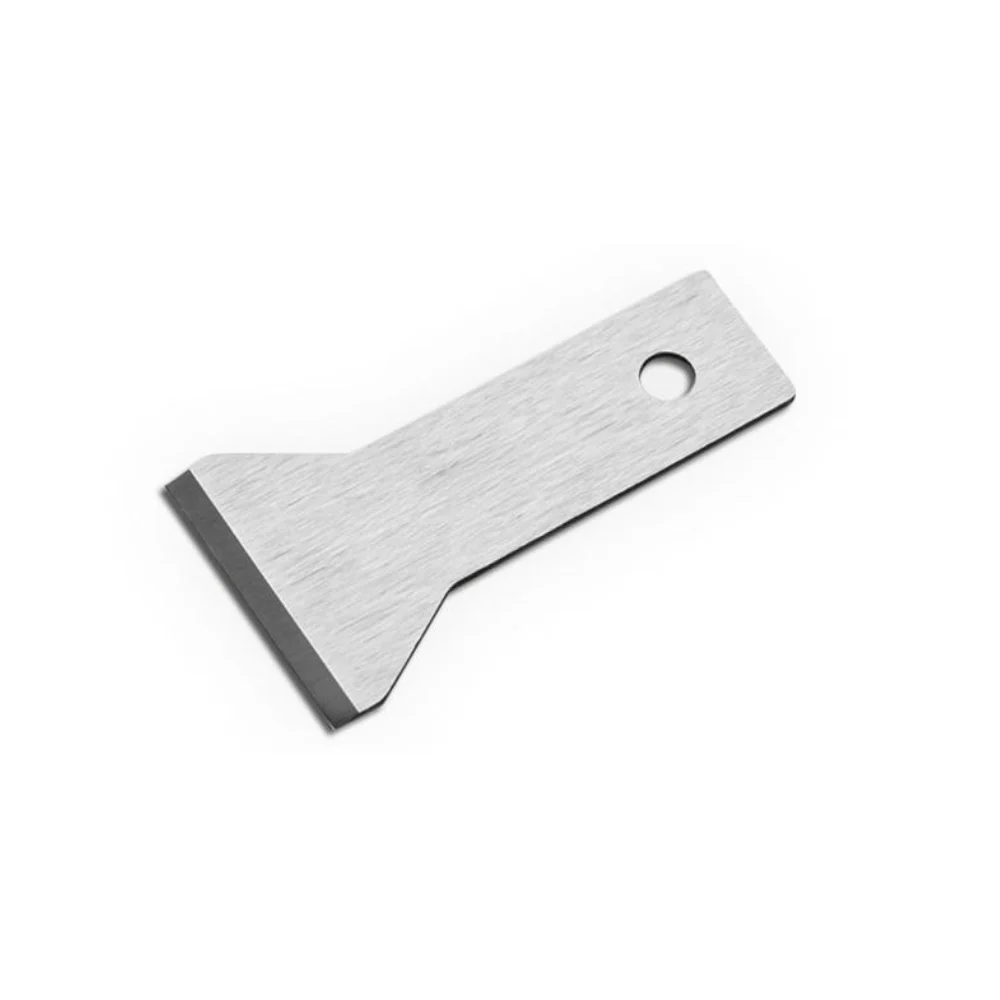
Single-edge designs are commonly used for dry-cut and strand pelletizing applications, especially where tungsten carbide is used as the cutting material.
The carbide cutting edge provides high wear resistance and maintains cutting performance during continuous pellet production.
Double-Edge Blades
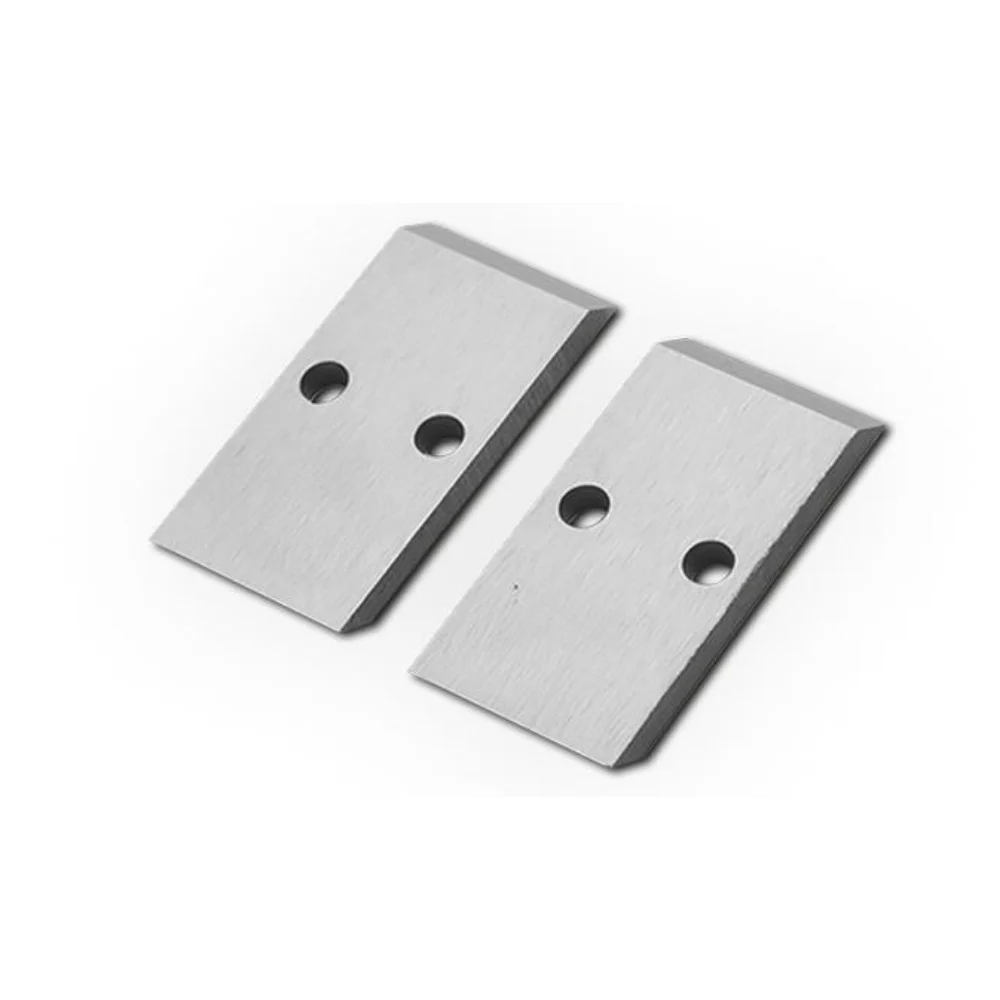
Double-edge blades are commonly used in underwater pelletizing and other cutter-head systems.
A sharp and accurately ground cutting edge is important because the extruded material must be separated immediately as the blade passes the die face. Poor cutting performance can result in dragging, sticking, or irregular pellet formation.
Double-edge designs also allow the blade to be reversed in suitable systems, extending usable blade life before replacement.
Applications Beyond Plastic Recycling
Although pelletizing knives are widely used in plastic recycling and polymer processing, the same extrusion-cutting principle is used in many other industries.
Typical applications include:
- Plastic recycling
- Polymer compounding
- Masterbatch production
- Strand pelletizing
- Underwater pelletizing
- Feed production
- Extruded food processing
- Chemical granulation
- Rubber and elastomer processing
- Other extrusion-based pellet production
Blade dimensions, edge geometry, material, hardness, and mounting design can be manufactured according to existing machine specifications, drawings, or original blade samples.
| Dimensions (L × W × T mm) | Material Type | Hardness | Compatible Pelletizer Brands |
|---|---|---|---|
| 44 × 12.7 × 1.2 | M6 Powder Metallurgy Steel | 63–65 HRC | Gala / Coperion / Erema |
| 44 × 12.7 × 0.9 | M6 Powder Metallurgy Steel | 63–65 HRC | Gala / BKG / Coperion |
| 44 × 12.7 × 0.7 | M6 Powder Metallurgy Steel | 63–65 HRC | Gala / BKG / Erema |
| 44.4 × 12.7 × 1.2 | 440C Stainless Steel | 56–58 HRC | Econ / Reduction Engineering |
| 44.4 × 12.7 × 0.9 | 440C Stainless Steel | 56–58 HRC | Econ / Reduction Engineering |
| 38.1 × 12.7 × 0.635 | CPM 10V / M4 | 60–62 HRC | BKG / Berstorff |
| 50 × 15 × 1.5 | Tungsten Carbide Inlay | 88–90 HRA | Farrel / Japan Steel Works (JSW) |
Blade Type: Single Edge / Double Edge
Materials: Stainless Steel / HSS / PM Tool Steel / Alloy Tool Steel / Tungsten Carbide
Dimensions: Standard and Custom
Edge Geometry: Custom According to Machine and Material
Application: Dry-Cut / Strand Pelletizing / Underwater Pelletizing / Extrusion Granulation
Manufacturing: According to Drawing, Sample or Machine Model
Customization: Material, hardness, edge angle, dimensions and mounting geometry available on request.
What materials are available for pelletizing knives?
What is the difference between dry-cut and underwater pelletizing blades?
Why is blade sharpness important in pelletizing?
Can you manufacture replacement blades for existing pelletizer brands?
If the above questions do not solve your doubts, please contact us through email or phone as well!
Persistools is fully committed to pursuing maximum efficiency in customer service and delivering premium customer experience. Whether you have pre-sales questions or encounter after-sales issues, you will receive our swift reply at all times. Our team always stays positive and dedicated to solving problems effectively.
